Cat Health: Common Ailments & Prevention Tips 2026
Cat Health: Common Diseases and Prevention Tips 2026
Hey there, fellow pet parents! It’s me again, your friendly neighbourhood cat lover from India. With our furry little overlords, it’s all about love, purrs, and… well, keeping them super healthy, right? As we’re cruising through 2026, our cats deserve the very best care we can give them. Today, let’s chat about something super important: common cat diseases and how we can be proactive in preventing them. Because a healthy cat is a happy cat, and a happy cat means a happy home!
Honestly, seeing our cats unwell is just heartbreaking. They can’t tell us exactly what’s wrong, so it’s up to us to be their eyes, ears, and even their detectives! I’ve learned a lot over the years, from managing a playful kitten’s sniffles to ensuring my older cat is comfortable, and a big part of it is just understanding what to look out for.
Understanding Common Cat Diseases
Let’s dive into some of the more common health issues that our feline friends can face. Knowing these can help us spot the signs early.
Feline Immunodeficiency Virus (FIV)
This is often called ‘cat AIDS,’ and it affects a cat’s immune system, making them more susceptible to infections. It’s primarily spread through deep bite wounds, which is why keeping your cat indoors or supervised outdoors is a good idea, especially if you have unneutered males. Early detection is key, and thankfully, there are treatments to manage the condition and keep infected cats comfortable for years.
Feline Infectious Peritonitis (FIP)
FIP is a much more serious and complex disease, caused by a mutated coronavirus. It can manifest in various ways, with symptoms ranging from fever and weight loss to fluid buildup in the abdomen or chest. It’s a heartbreaking disease, and unfortunately, treatment options are still evolving, though there’s been significant progress in research. Prevention is tricky, but maintaining good hygiene and reducing stress in multi-cat households can help.
Kidney Disease
This is super common in older cats, sadly. As cats age, their kidneys might not function as efficiently. Symptoms can include increased thirst and urination, weight loss, vomiting, and a dull coat. Ensuring your cat has access to fresh water at all times and feeding a high-quality diet, potentially one formulated for kidney health as they get older, can make a difference. Regular vet check-ups are crucial for early diagnosis.
Dental Problems
Oh, the dreaded cat breath! Dental issues like gingivitis, periodontal disease, and tooth decay are surprisingly common. Bad breath, red gums, difficulty eating, and drooling can be signs. It’s not just about bad breath; it can lead to pain and more serious systemic infections. Regular dental checks by your vet and, if your cat tolerates it, gentle teeth brushing can go a long way. There are also dental treats and special foods that can help!
Parasites: Fleas, Ticks, and Worms
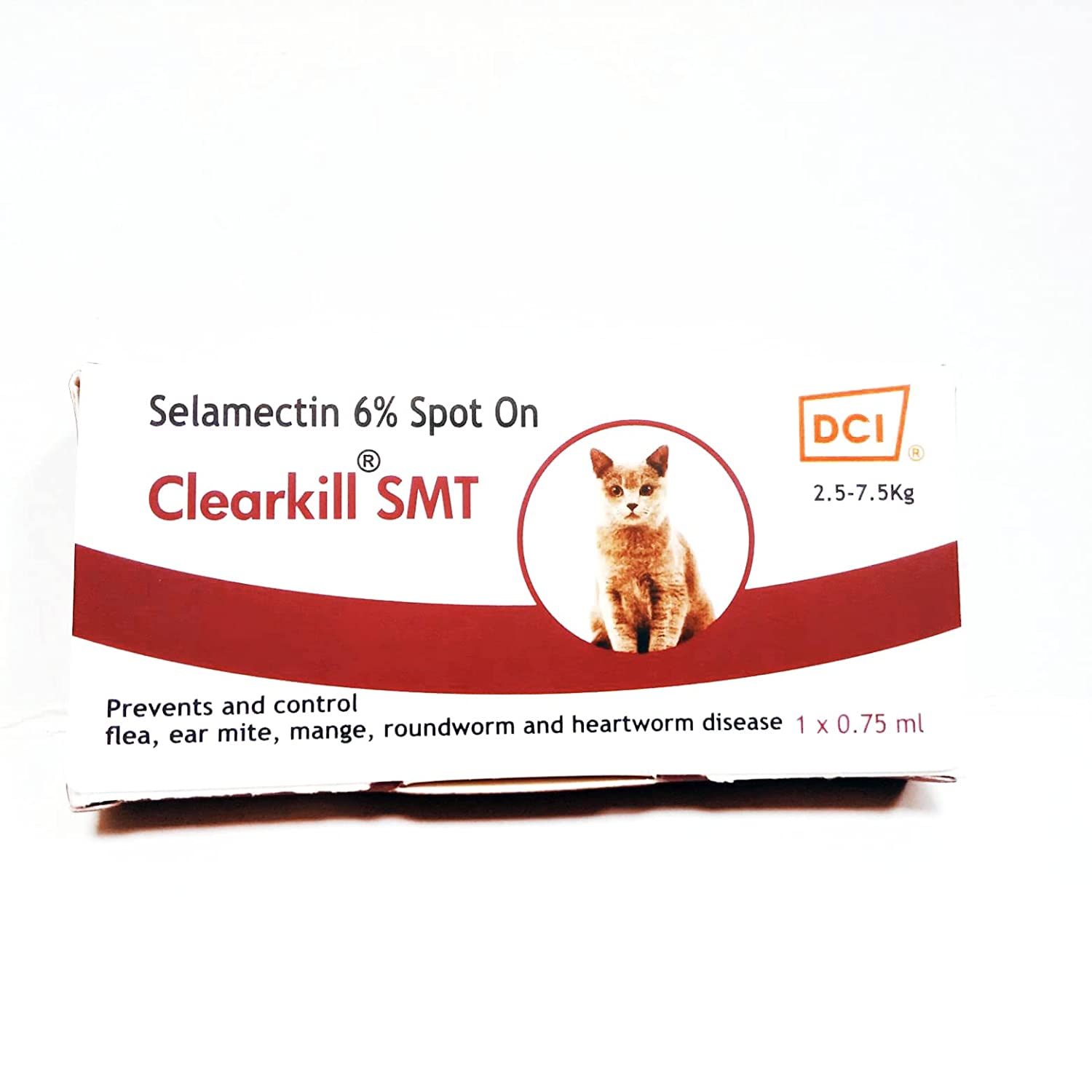
These little critters are the bane of our existence, aren't they? Fleas can cause skin irritation and transmit other diseases. Ticks can be a problem too, especially if your cat explores the outdoors. Intestinal worms can cause weight loss, vomiting, and diarrhoea. Prevention is definitely better than cure here. For regular flea, tick, and heartworm prevention, I highly recommend a good spot-on treatment. For cats weighing between 2.5 to 7.5 kg, the Clearkill SMT Selamectin 6% Spot on is a fantastic option. It covers fleas, ear mites, mange, and even heartworm. Just a few drops monthly can save so much trouble!
Obesity
This is another big one, and it's something we as owners can directly influence. Overweight cats are prone to diabetes, arthritis, heart disease, and more. It’s crucial to feed the right amount of good quality food and encourage exercise. Think of interactive toys, climbing trees, and maybe even a laser pointer session to get them chasing!
Prevention is Key: Practical Tips for a Healthy Cat
Now, let’s talk about how we can keep these issues at bay. It’s all about consistent effort and paying attention to our kitties.
1. Regular Vet Check-ups
This is non-negotiable, folks! A yearly (or twice-yearly for older cats) visit to the vet is the best way to catch any potential problems early. Vets can perform thorough physical exams, recommend necessary vaccinations, and discuss any concerns you might have. Think of it as a wellness check for your fur baby.
2. Nutrition Matters!
What you feed your cat directly impacts their health. Choose high-quality cat food that is appropriate for their age and health status. Avoid overfeeding and stick to a feeding schedule. If your cat has specific dietary needs or health conditions, your vet can recommend the best food options. Good nutrition also supports a strong immune system, which is our first line of defence!
3. Keep Up with Parasite Prevention
As I mentioned, regular deworming and using flea and tick preventatives are vital. Whether your cat is an indoor-only kitty or an outdoor adventurer, parasites can still find their way in. Stick to a schedule, whether it's monthly or quarterly, depending on the product and your vet's advice. It’s a small effort that prevents a lot of discomfort and disease for your cat.
4. Maintain a Clean Environment
A clean litter box, clean food and water bowls, and a generally tidy living space help reduce the risk of infections and parasites. For cats recovering from surgery or dealing with skin issues, a clean environment is extra important. Sometimes, they might need a little extra protection for wounds or bandages. A recovery suit, like the A+a Pets' Cat Wound Surgery Recovery Suit, can be a lifesaver. It helps prevent licking and keeps the area clean and protected, allowing them to heal comfortably without the stress of cones.
5. Encourage Exercise and Play
A sedentary cat is an unhealthy cat. Engage your cat in daily play sessions. Use toys that mimic prey, like feather wands or laser pointers (just be sure to end the game with a tangible 'catch' to avoid frustration). This not only keeps them physically fit but also mentally stimulated, preventing boredom and stress-related behaviours.
6. Dental Care Routine
Don't ignore your cat's teeth! Introduce teeth brushing gradually if possible. If not, rely on dental treats, water additives, or special dental diets. Regular vet checks will also include looking at their gums and teeth.
7. Spay/Neuter Your Cat
Spaying or neutering not only helps control the pet population but also significantly reduces the risk of certain cancers and infections, like pyometra (a uterine infection in females) and testicular cancer in males. It can also reduce roaming and fighting behaviours, especially in males.
8. Monitor Behaviour and Habits
You know your cat best! Any change in their behaviour – are they eating less, drinking more, hiding, or acting unusually lethargic? – should be a red flag. Trust your gut instinct. If something feels off, contact your vet.
Taking care of our cats is a journey, and it’s filled with so much joy. By being informed and proactive, we can ensure our feline companions live long, healthy, and happy lives right here with us in India. Let’s keep those purr machines running smoothly!
Frequently Asked Questions (FAQ)
Q1: How often should I take my cat to the vet in 2026?
For healthy adult cats, an annual check-up is generally recommended. Senior cats (usually over 7-10 years old) and kittens often benefit from twice-yearly visits. Your vet will advise the best schedule based on your cat's age, health, and lifestyle.
Q2: What are the first signs of illness in cats?
Common early signs include changes in appetite or thirst, lethargy, vomiting, diarrhoea, changes in litter box habits (frequency or consistency), hiding more than usual, sneezing or coughing, and changes in grooming habits (e.g., a dull coat).
Q3: Can I prevent my cat from getting common diseases?
While not all diseases can be prevented, you can significantly reduce the risk by ensuring proper nutrition, regular veterinary care (including vaccinations), consistent parasite control, maintaining a clean environment, encouraging exercise, and monitoring their behaviour closely. Spaying/neutering also plays a role in preventing certain health issues.